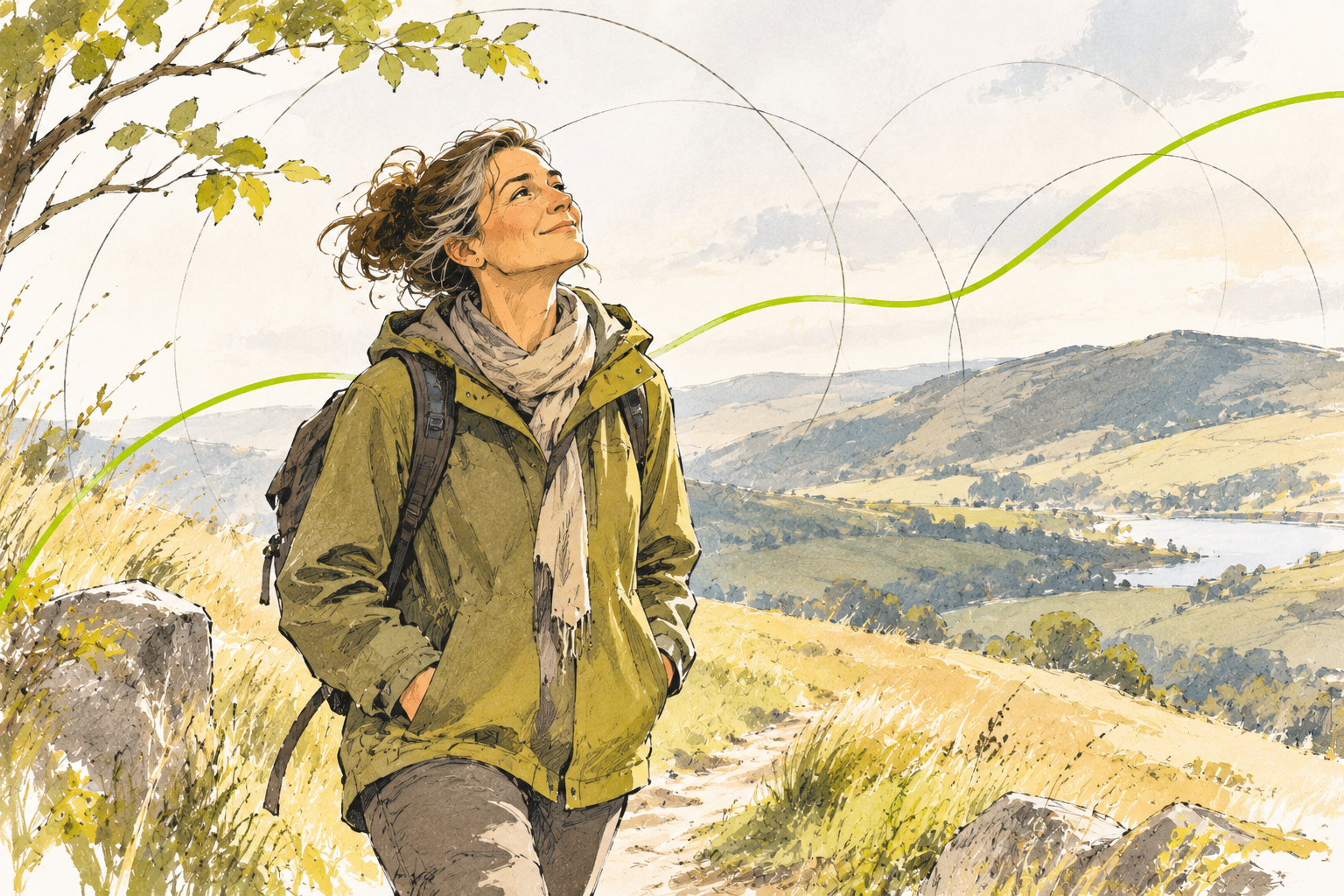
What we thought we knew, apparently isn’t actually true
It seems such a basic differentiator between extraverts and introverts. It’s such a tightly held ‘truth’ that few would even question it.
Ask pretty much anyone what kinds of people like to be alone and they’ll tell you it’s introverts. Who doesn’t like to be alone? Extraverts, of course.
Apparently not…
It seems such a basic differentiator between extraverts and introverts. It's such a tightly held 'truth' that few would even question it. Ask pretty much anyone what kinds of people like to be alone and they'll tell you it's introverts. Who doesn't like to be alone? Extraverts, of course. Apparently not.
A recent post from the British Psychological Society cites research (using hundreds of people's diaries) that found a completely different factor determines whether people find being alone pleasurable or painful. It's called 'dispositional autonomy'. People who are strong in it show:
Strong alignment between their behaviour, values and interests
Resistance to pressure from others
A desire to learn more about their personal experiences and emotions
1 and 2 are demonstrations of authenticity, dosed with the courage to live authentically despite pressure from other people to do otherwise. In ARC Leadership, I describe another sphere of authenticity - authentic insight - which is when we're honest with ourselves, digging deep into the real reasons behind our behaviours, emotions and ways of thinking. There are strong parallels between this authentic insight and that third feature of dispositional autonomy - the desire to learn more about our personal experiences and emotions. Interestingly, all three of those features of dispositional autonomy require us to develop the capacity for Self-relating - one of four capacities at the heart of my latest book, Upgrade, with Karen Ellis.
We're utterly dependent on those four capacities when faced with situations or environments that are complex, fast-moving, unpredictable or ambiguous. Self-relating is the capacity that enables us to observe, understand, regulate and transform ourselves. It's what we use to make sense of our thoughts, feelings and reactions to the world around us. It helps us answer questions like:
How do I need to manage my own reactions to this situation?
In what ways am I getting in my own way, in this context and others?
How do my beliefs and values shape how I am responding here?
Who am I and who do I want to be?
In Upgrade, we describe four levels of development when it comes to Self-relating. Each level is rooted in the various stages through which we know children and adults progress as they evolve. As with the other capacities in the book, the journey to Level 1 has required a fair amount of development already. We're just starting at Level 1 because most people in organisations have reached that point by the time they're looking for the kind of help we're offering.
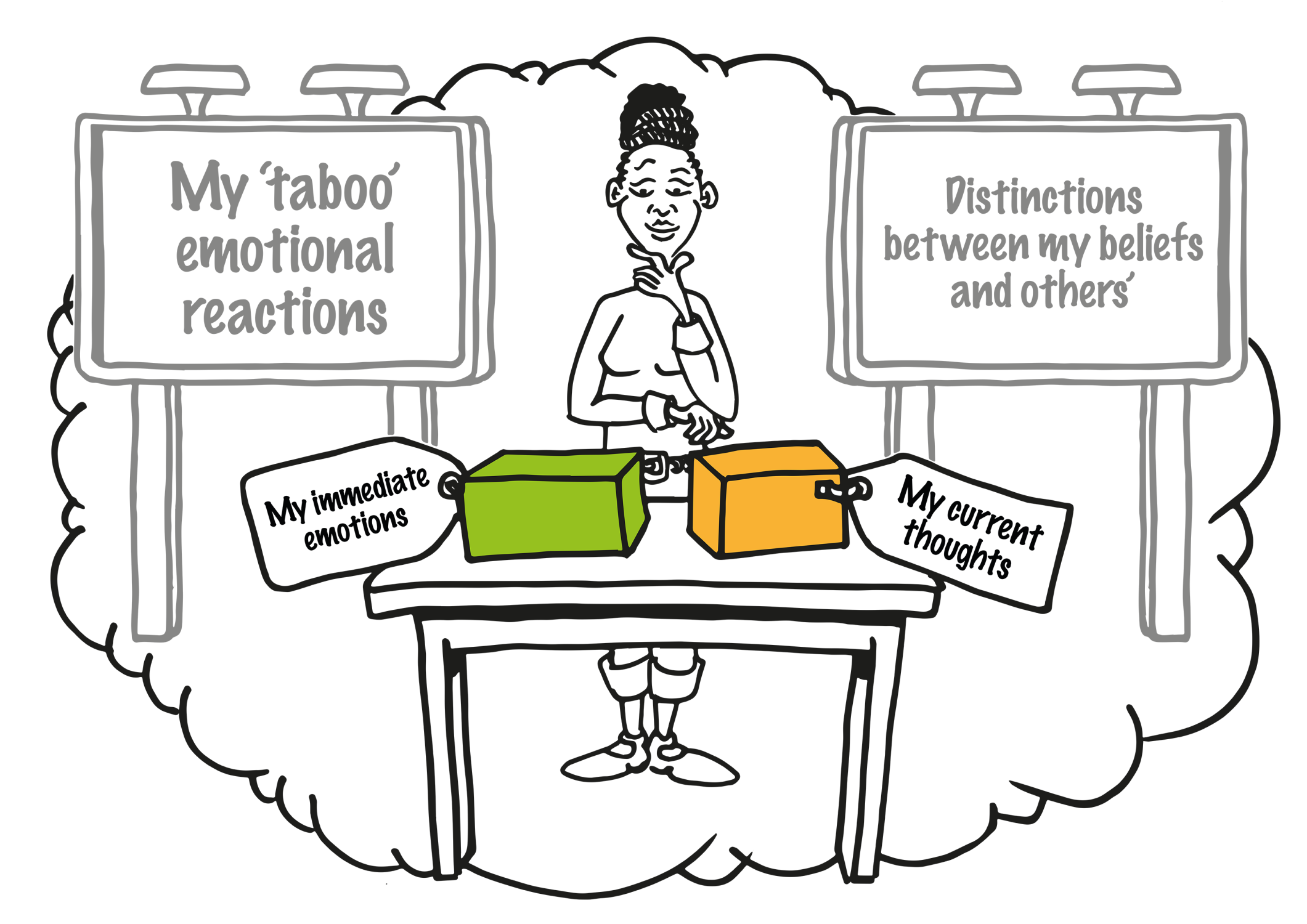
At Level 1, for example, we learn to step back from our thoughts and emotions and examine them as objects in their own right – like they’re on the table in front of us, as in the image. However, we’re not yet truly distinguishing our beliefs and reactions from those of the groups to which we belong. Those distinctions, behind us in the image, are out of view but still affecting how we operate.
As we progress through Levels 2, 3 and 4, we bring more of the stuff that's previously been hidden from us and put it on the 'table' for examination. In doing so, we're moving deeper and deeper 'stuff' from our unconscious and subconscious worlds into conscious awareness.
For instance, we're increasingly able to look at our 'hot buttons' as someone is pressing them. The comment in a meeting that triggers me to feel like someone's questioning my competence; the email that stirs up deeply-buried feels of rejection from when I was a child.
We're able to question our assumptions, rather than being led along by them. We're able to work out whether our core beliefs are really ours, or simply borrowed from the belief systems of the people around us - or the people we grew up with.
The ability to do these things is essential if we're to survive, thrive and contribute effectively in an increasingly messy world - a world that's full of knee-jerk reactions and polarisation, often on a grand scale.
It's no surprise then that developing our capacity for Self-relating - and, with it, our dispositional autonomy - is the factor that determines whether we find pleasure or pain in being alone. Introverts with low dispositional autonomy typically choose to be alone in order to avoid other contact, but take little from being alone in itself - indeed, they can feel very, very lonely. By contrast, people who've developed high dispositional autonomy positively enjoy that time alone. It replenishes them, nourishes them.
With that in mind, I'd encourage you to revisit your beliefs about introverts and extraverts - and help those around you recalibrate their own assumptions, too. I've certainly had to revisit mine. I'd also suggest reflecting on your own approach to time alone. Do you avoid it? Seek respite in it? Or relish that time to yourself and mine it for ever-deeper insights into yourself and others?
If you'd like to upgrade your own Self-relating capacity, or the other three capacities that are core to surviving and thriving in a complex world, you'll find the Upgrade as a paperback or eBook, available from our BOOKS page, where you can also read some free chapters.