And 4 things we can all do about it
Richard was both impressed and disheartened when his daughter started a conversation about the salary gender gap.
Impressed because she was less than nine years old and it seemed a pretty sophisticated topic, particularly the way she engaged with it. Disheartened, because he hates that the gap exists and that she'll almost certainly fall foul of it.
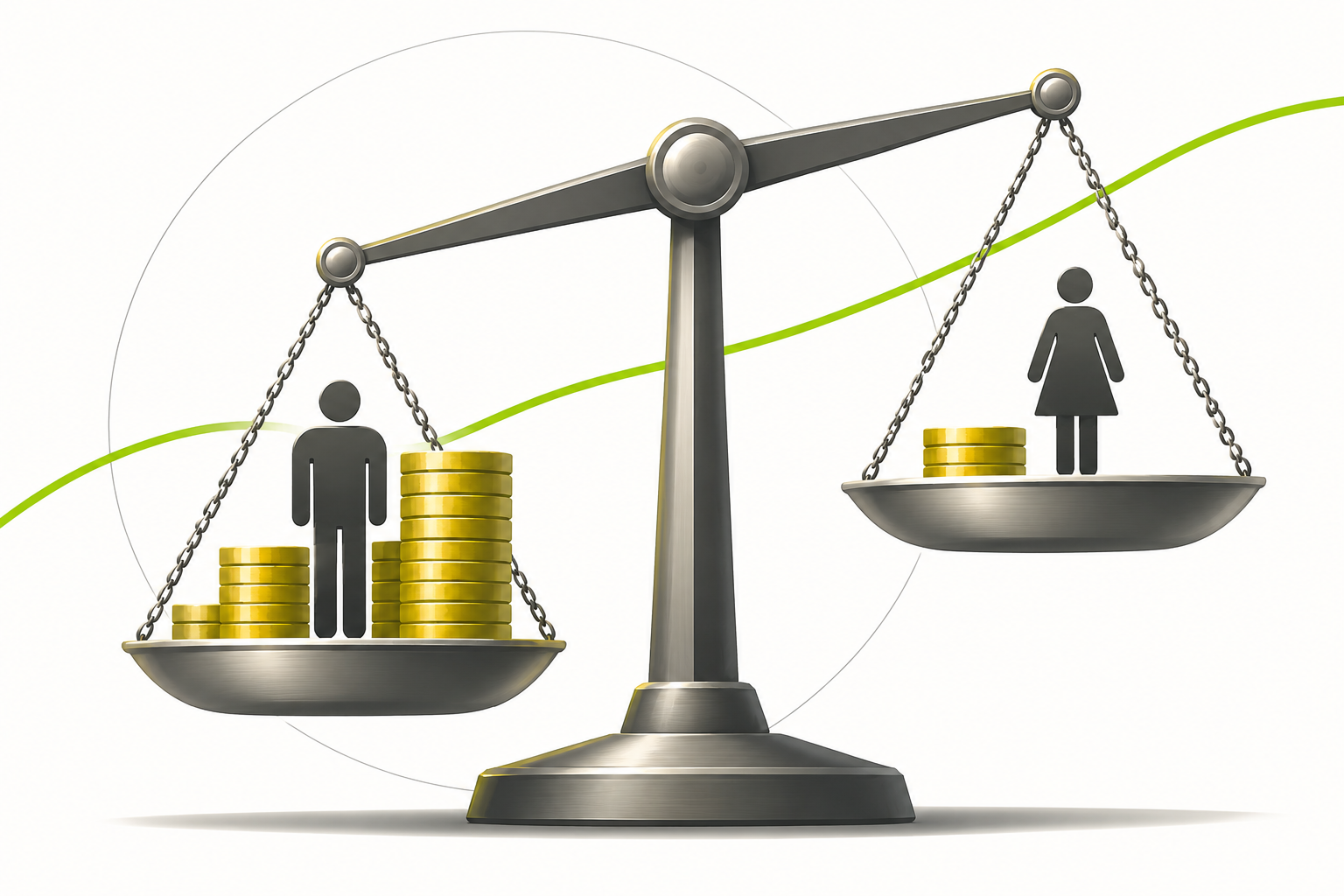
I was both impressed and disheartened the other night, when my daughter started a dinner-table conversation about the gender gap when it comes to salaries. Impressed because she's less than nine years old and it seemed a pretty sophisticated topic, particularly the way she engaged with it. Disheartened, because I hate that the gap exists and that she'll almost certainly fall foul of it. I've always hated it on principle and now I hate it as a parent. It's not about the money for me; it's about the message salary disparities send about the relative value of individual men and women in the workplace. As the father of a girl, it's frankly depressing to think that she might go through life thinking she's less valuable than she is and seeing her gender as a disadvantage.
You might argue that things are changing. Statistically, you might say, the gap is shrinking and (assuming it's a durable trend) we might even get pay-equality in her lifetime. Unfortunately, I think you'd be wrong.
The reality is, there are multiple reasons why women get paid less. Some may fade or disappear entirely; others almost certainly won't...
Prejudice. Some prejudice is overt, some is covert. Some is conscious, some is unconscious and far more insidious. Yes, many organisations and cultures are making progress on this front. Unfortunately, in many cases we're really only pushing prejudice under the radar. We're (rightly) making it unacceptable (and in many places illegal) to use gender as a criterion for decision making on pay and other topics. At the same time, by stigmatising bias, we risk making it more covert - harder to spot and harder to tackle.
Height. Taller people get paid more. I remember reading research a few years ago that put a dollar value on every inch. On average, women are shorter than men, so on average they are at a disadvantage in this area.
Self-esteem. 360-degree feedback data generally shows that men are more likely to over-rate their performance relative to ratings they receive from their peers, bosses and direct reports. Women are more predisposed to under-rate themselves. Unsurprisingly, narcissism (massively over-inflated self-esteem) is more common in men than in women. Unfortunately, the research also shows that narcissists' colleagues typically believe the hype: they rate the narcissist as more effective at their job than they actually are. This infectious, unwarranted confidence will further inflate the narcissist's salary.
Assertiveness. Statistically, the "average" woman is less assertive than the "average" man, meaning the average woman is less likely to push for promotion or pay increases, particularly in the face of resistance from her seniors. There's obviously a correlation between confidence and assertiveness, but stereotypes play a part here, too. Despite recent encouragement to "lean in", women who assert themselves are more likely generally seen as pushy than men demonstrating exactly the same behaviours.
Modesty. Most cultures expect women to be more self-effacing than men, regardless of how confident they themselves feel about their abilities. They're, therefore, less likely to publicise their successes. They're also less likely to capitalise on their genuine achievements - or to put a nice shiny gloss on them - when pulling together a case for promotion or pay increases. Men are far more likely to share (and exaggerate) their achievements in conversation with bosses and peers and in interviews with head-hunters or potential employers. This holds true even if the individual lacks confidence in their own abilities. If you take a man and woman with equally depleted confidence levels, the man is still more likely to air and inflate his successes than the woman - because he knows a certain amount of bluster is expected of him.
Life roles. Things are definitely changing here. In many countries, parents can share parental leave between them. In some, grandparents can take their share, too. Nevertheless, the norm is for mothers to be the primary carer. This means time out when their child is born, a higher likelihood of part-time working and less opportunity to put in long hours. The harsh reality is that this means women are more likely to fall behind in the amount of time they've been able to put into their work, compared to men of the same age, which affects the perception of the value they offer their employers. Increasingly, there's a premium on flexibility and people's willingness / ability to work long or unsociable hours. As consumers, we expect both. We want 24 hour service, swift turnarounds, goods delivered to our door within hours of ordering them. Organisations are staffed and run by people with those same expectations. Accordingly, if a manager knows they can get 10 more hours a week from Employee A than from Employee B, they'll spend more money on Employee A. In their mind, 20% more hours warrants 10% higher pay - the hourly rate will still be lower. Sure, Employee B may well be more efficient than Employee A, getting the same amount of work done in fewer hours. But it's very, very hard to shift our unconscious assumption that having someone sat a desk for an extra 10 hours means we're getting more out of them. Think about it: despite the research showing that we're woefully less effective after 8 hours working without a break, so many people eat lunch at their desks and put in 10-12 hour days.
This last factor, life roles, is a contentious one. "But I do put in those additional hours," many women will rightly point out. "Once we've all eaten and the kids are in bed, I log on for 2-3 hours." Or "I went part time and get paid for three days a week, but usually work at least four, once you factor in the additional time in the evenings and the calls and emails I get on my 'days off'." Sure, and that's really unfair. Unfortunately, we know from the research into remote working that managers still place greater value on the time their staff spend sat in the office (potentially reading Facebook or LinkedIn, or staring into space in yet another inefficient meeting) than they place on the time their staff are working invisibly at home. The way we unconsciously attribute value hasn't yet evolved to accommodate remote working: out of sight really is out of mind.
So, what can we do to bridge the gap here? What can I do to improve things for my daughter? Well, without serious genetic tinkering, we're unlikely to reduce height differences between women and men, but there are clear things we can do right now - as men; as women; as colleagues, managers, and leaders; and as parents.
Take hold of our prejudices: there are great measures of unconscious bias out there and I believe we should use them to help us identify in ourselves the deep-rooted, sometimes well-meaning biases we have against women - or other disadvantaged groups, for that matter. Ultimately, if we lack the self-awareness or authenticity to admit to our existing biases, we'll struggle to shift them.
Ditch the stereotypes, particularly when it comes to modesty and assertiveness. Men and women are equally culpable here. All too often, women whose styles are naturally more forceful are accused of feigning stereotypically masculine traits to get ahead. We all need to have courageous conversations - whether that's to manage performance or push for a raise or promotion - and, naturally, women are at least as courageous as men. Good leadership (and good parenting), cultivates courage regardless of gender. It also creates a culture where that courage is blended with responsibility. Without sufficient modesty and empathy, being boldly assertive can have very negative consequences.
Develop a fairer division of responsibilities by challenging our assumptions about who plays what role in life, which parent should put their career on hold or take primary responsibility for ferrying kids to and from school. Many of us are making progress on this in our own personal lives. However, I see a real lack of positive senior role models in organisations and organisational policies and support programmes are generally way behind the curve on this. Of the relatively progressive companies who offer coaching to mothers returning from maternity leave, how many offer the same to fathers? How many 'working dads' groups are there in organisations, and how many fathers attend 'working parents' forums?
Rewrite the scripts at the heart of self-esteem. Research suggests that, right from the beginning, girls are disadvantaged by the very behaviours parents and teachers believe is building their confidence. They are far more likely to be praised, from birth, for 'natural' talents or qualities, rather than the effort they put in. For boys, it's the opposite: because they're generally a little unruly, they get told to put more effort in. Why's this a bad thing? Because when these girls are subsequently faced with difficulty or failure, they attribute it to something wrong with them, some defective quality. Meanwhile, the majority of boys have been taught that their performance is dependent on effort rather than innate qualities, so they attribute failure to a lack of effort - which is far more motivating and enabling than what the girls have been taught. As parents, we need to be aware of this and modify our praise accordingly. As leaders and colleagues (male or female), we need to use frequent, high quality feedback to overcome patterns that have become hard-wired for many women.
If we can do those four things, then - height aside - I think there's real hope for us closing that gender pay gap.