How to switch off on holiday
The Financial Times asked our advice on shutting down and making the most of time off work. They didn’t have a lot of space, so we expanded on that article.
As summer finally began to show its face in the UK, the Financial Times asked what advice I could offer when it comes to shutting down and relaxing while taking time off work. The piece itself is well worth reading as it includes the advice of ten other contributors including several CEOs, authors, columnists and a business school prof. At the same time, with just 300 words to play with, I felt there was a lot more I could offer on this complex topic than I could fit into my slim slice. So I thought I’d share my fuller thinking on the topic here. You'll have plenty of other ideas of your own, so please do add them in the comments.
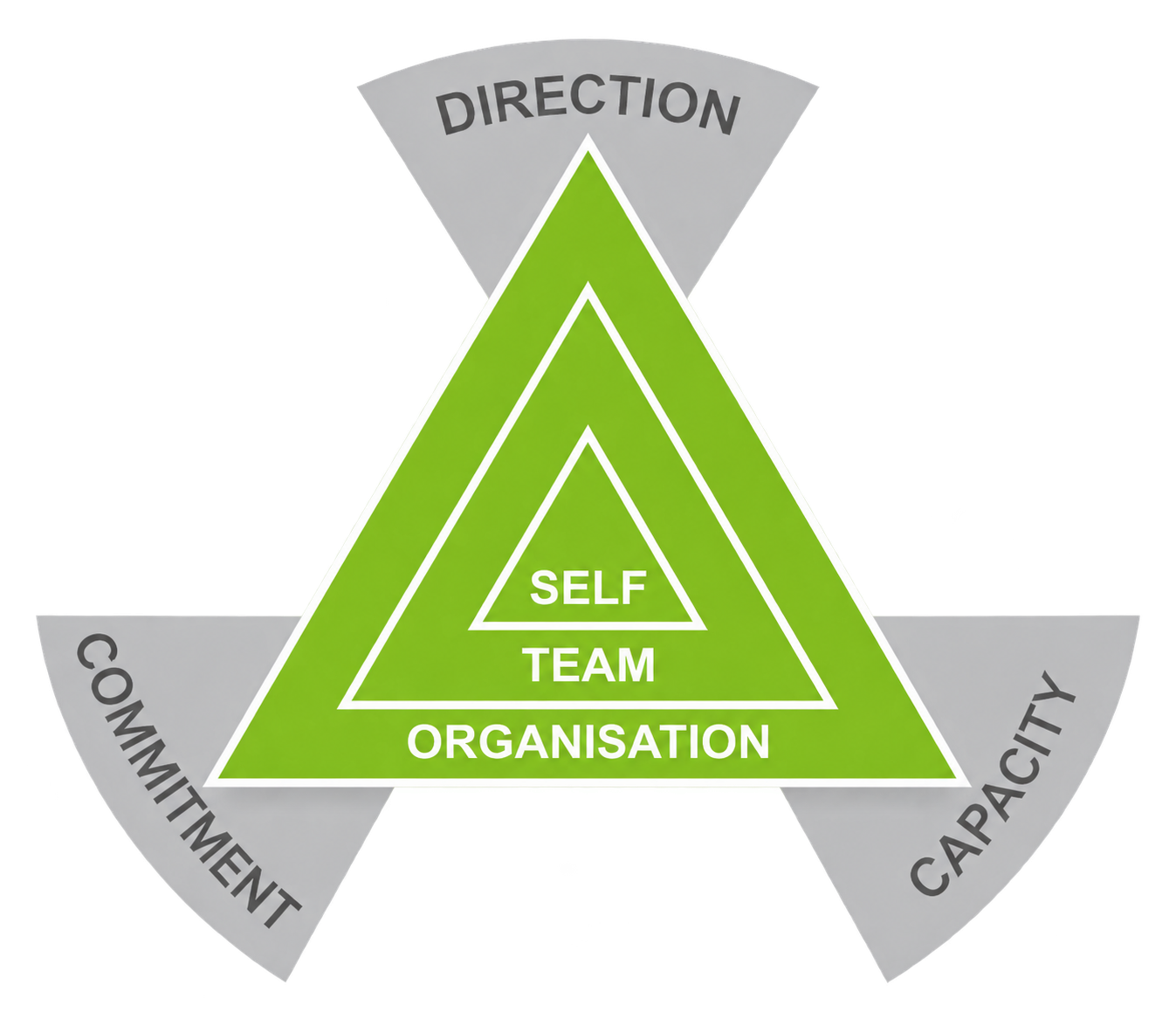
As I formulated my response to the FT’s request, I realised everything I thought of aligned pretty neatly with the Three Core Disciplines I’ve offered as a guide to leadership and team performance.
In the context of holidays, ‘Establishing a Direction’ means being clear on the purpose of your time off. For me that means repaying the time I’ve been stealing from family throughout the year and giving my body and mind sufficient distance from work to recover. This clarity of purpose helps us set boundaries for ourselves and others – a piece of direction setting in itself. By way of example, you could create a rule for yourself that you keep your phone (and other communication devices) in the hotel safe and check it only on Tuesday and Friday mornings before everyone else wakes up. That way they never actually see you doing emails. Setting a clear boundary like this makes it easier to resist the temptation to check that inbox too frequently. I’m very tempted to do so when I get bored, for instance, but there are far better things to do when I get bored on holiday than stare at a screen.
“But I need my phone to take photos of the kids / scenery,” you might argue.
No, you don’t. If you’re really committed, you can pick up a small, fairly inexpensive camera and use that instead.
If you’re anything like me, you’re at least slightly addicted to the technology that enables you to stay connected with work. Like me, you might also really love your job, find it more stimulating than many other things and feel very responsible for ensuring your various stakeholders get what they need. So it takes a lot of commitment to resist the temptation to keep checking those emails. The psychology is pretty clear that stating your intentions and holiday boundaries out loud to those who’ll be with you increases your likelihood of sticking to that commitment for the duration of the holiday. The addictive nature of electronic connectivity means you will experience withdrawal symptoms initially, but going cold turkey for the first few days soon puts paid to the fake stress induced by the enforced absence of a mobile device.
To properly distance ourselves from work for a few days, we also need commitment from our colleagues, clients and other stakeholders. I tell people about holidays well in advance and ask that, if there’s anything they know they’ll need before I’m back, they tell me at least a week before I leave so I can make sure it’s done. I also reassure them that I’ll periodically check my inbox for anything urgent. Some of my clients give out their spouse’s phone number, knowing it’d have to be a genuine catastrophe for anyone to call. I can see that working if your spouse doesn’t work, but it does mean they’d then have to keep checking their phone. And if you see their device, it’ll probably encourage you to want to grab theirs.
Warning my clients well in advance also creates the capacity to take time off. Another way to ensure you’ve the enabling capacity to completely switch off is to properly delegate responsibilities to someone you can trust. That might sound obvious, but trusting someone enough to properly let go requires knowing that they have sufficient upfront direction, capacity (e.g. time and competence) and commitment to covering your back while you’re away. This isn't the place to get into delegation in any depth, but I've done so more elsewhere.
When it comes to my own holidays, I also attend to capacity by doing my best to ring-fence sufficient time on the days prior and following your holiday to clear the decks – and set your out of office messages accordingly. Few people do this, which is why stress levels peak just before and just after their holidays. Certainly when I fail in this discipline myself, it interferes with the first days of my holiday – with knock-on effects for the people I’m with – and makes the return to work far less pleasurable and relaxing than it should be.
When I think about the capacity for a successful break from work, I also think of the amount of time we take. Personally, I’m a big fan of three weeks as it often takes me a week to get into the holiday groove – although on my last holiday it happened the moment my feet touched the beach. However, I read a study recently suggesting the benefits of holidays peak on the eighth day. Ultimately, everyone has their own preferences and limits on their annual holiday entitlement. Some prefer to keep them short and sweet to limit the tensions of trying to please numerous people simultaneously. The key is to take the amount of time your mind and body need to do the necessary recovery.
Finally, the research tells us that what you do with this precious time makes a huge difference. Rather than simply sleeping and over-indulging, it’s best to build in enjoyable activities that require your full attention – things that bring a sense of ‘flow’. For me that typically means playing with my daughter, trail running, scuba diving and writing fiction. Your version of these activities will not only keep your mind occupied so it can’t mull over work, but they’ll create a wealth of new memories that’ll prolong that holiday feeling once you return.
Richard Boston the author of ARC Leadership: from surviving to thriving in a complex world and The Boss Factor: 10 lessons in managing up for mutual gain. You can find free chapters, or the opportunity to buy a copies, in our BOOKS page. To start a conversation with Richard or any of the LeaderSpace team, please CONTACT us.