What's lasting and universal? What changes with time or place?
Three Core Disciplines for Leadership
A recent McKinsey debate got us thinking about the lasting, universal “truths” of leadership and the things we know leaders need to keep adapting in order to remain up-to-date and fit-for-purpose for their specific operating environment. So Richard wrote a short blog exploring the topic through the lens of our Three Core Disciplines of Leadership and Team Performance.
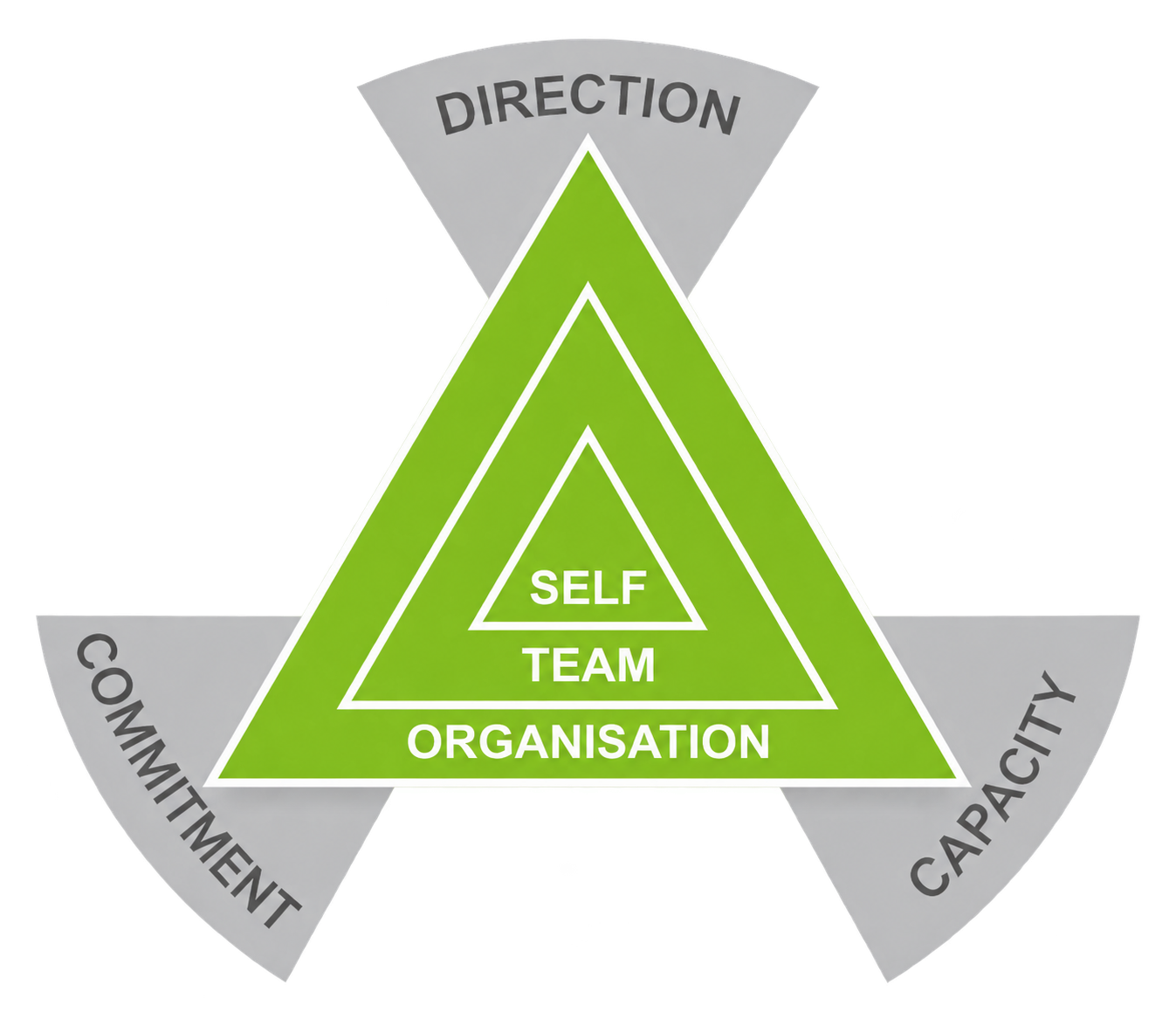
At LeaderSpace, we talk about Three Core Disciplines of Leadership and Team Performance:
1. Leaders, teams and organisations need to 'Establish their Direction'.
2. They then need to 'Secure Commitment' to that direction, both within and outside of themselves: a leader needs to be fully committed, as do their team and their key stakeholders (both within and outside the organisation).
3. They need to 'Build the Capacity' to get where they're hoping to go. This means having, and enhancing, the people, resources, processes and structures required to deliver for the team.
For each of these Three Core Disciplines, we can draw lasting lessons from the combined wisdom of the many leadership gurus who have passed on their ideas over the past two to three thousand years – from Plato and Aristotle, to Sun Tzu and Machiavelli, to numerous modern-day generals and world leaders. At the same time, there are things we know differ from organisation to organisation, country to country, decade to decade.
Establishing Direction
There are six questions we need to answer when Establishing Direction: What? Why? How? Who? When? Where? This in itself is a lasting universal truth. Working out the best 'What?', 'How?', 'When?' and 'Where?' is a task that leaders and their teams need to approach with a deep, broad understanding of their operating environment. Sure, there are solid lessons to learn from the likes of classical Chinese militarist Sun Tzu, but even these need adapting. For instance, securing the 'high ground' is critical, but in today's world 'high ground' means something very different - even in the military, where the high ground is no longer ground at all: it's geosynchronous orbit, where satellites give troops better sight of enemy targets than hills ever have.
Securing Commitment
The things it takes to Secure Commitment in one's stakeholders are also a blend of lasting universals and evolving lessons. As Patrick Lencioni attests in his Five Dysfunctions of a Team, commitment requires trust and the productive use of conflict. It also requires people to be held accountable for their input - to receive rewards for effective contribution , alongside some kind of sanction for failing to deliver on their responsibilities. At the same time, people's baseline of commitment has varied over the years. See, for instance, the decline of jobs for life and the shifting 'psychological contract'. Similarly, as I've shown in my book ARC Leadership, there has been a significant decline in trust in the last decade. Social norms for building trust, engaging in productive conflict and holding people to account also vary across countries – whether that variation is on the basis of cultural factors or the nation's current socio-economic milieu. So, to Secure Commitment from their stakeholders, leaders and their teams need to attend to the lessons psychology has taught us about motivation and cultural differences together.
Building Capacity
Building Capacity works in a similar fashion. There are certain organisational structures and team processes that facilitate high performance better than others. There are certain kinds of resources we need in order to succeed - time, money, intellect and social / emotional capital. However, the precise allocations of these will vary over time and across industry sectors, as will the means of accessing and utilising those resources. When it comes to ensuring we have the right people to deliver, the technical skills and knowledge required will obviously vary depending on the nature of the organisation's ambitions, work and operating environment. At the same time, the evidence suggests staff and leaders' emotional intelligence differentiates 'high' from 'average' performance in most jobs in most sectors. Certainly, it's a universal finding that failing to align a team / organisation's Capacity with its chosen Direction is a very effective way to fail. So, too, do we know that failing to Build sufficient Capacity is a sure-fire way to reduce Commitment in staff, leaders and stakeholders alike.
Ultimately, high quality leadership will always require us to draw upon what came before us and adapt it to our own evolving environments. That much, I'd say, is pretty obvious. The real art, though, lies in knowing when to trust the age-old lessons and went to ditch them in favour of something newer. Thankfully, with psychology, these decisions are becoming increasingly routed in science.